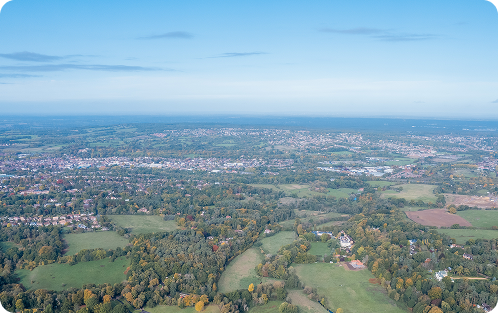
Older homes have real character. High ceilings, solid walls, big radiators that have been doing their job for decades. But when it comes to heating, that charm often comes with a few headaches. I’ve lost count of the number of times a homeowner in Guildford or Woking has told me, “It’s always been a bit temperamental, but this winter it’s really struggling.”
If you’re unsure whether to repair or start speaking to a boiler installer, it helps to understand what’s typical for older systems and what’s a sign that things are reaching the end of the road. Here’s what to look out for and how to make a sensible decision.
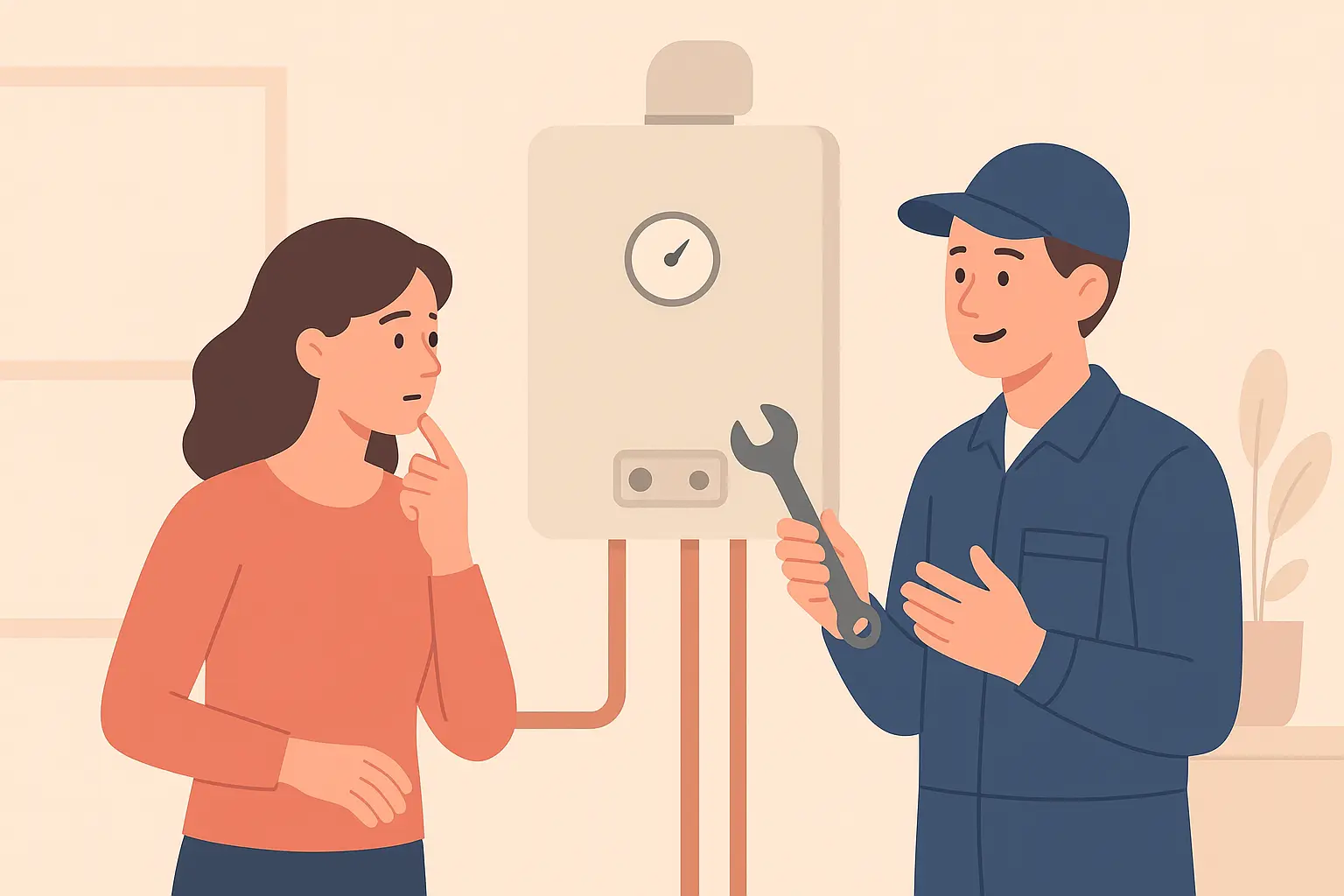
Boiler challenges in older homes
Properties built 30, 40 or 50 years ago were designed around very different heating systems. Many still have original pipework layouts, older radiators and boilers that were fitted long before efficiency standards tightened up.
You’ll often find:
- Heat-only or regular boilers with separate tanks in the loft
- Older controls with basic timers and no thermostatic radiator valves
- Microbore pipework more prone to sludge build-up
- Poor insulation putting extra strain on the boiler
None of that is a disaster in itself. Plenty of older systems tick along quite happily with regular servicing. The trouble starts when wear and tear builds up and parts become harder to source.
Most common boiler problems and warning signs
1. Frequent breakdowns
If you’re calling an engineer more than once a year for different faults, that’s usually a sign something bigger is going on. One failed pump or diverter valve can be unlucky. Two or three different components in quick succession suggests the boiler is tired overall.
2. Strange noises
Banging, kettling or gurgling is common in older systems, especially where there’s sludge in the heat exchanger or pipework. In hard water areas around parts of Surrey, limescale can make it worse.
A powerflush can sometimes help, but if the heat exchanger itself is heavily scaled, you’re often looking at a bigger repair.
3. Rising energy bills
An older non-condensing boiler can run at 60 to 70 percent efficiency on a good day. Modern condensing models are well over 90 percent efficient when set up properly. If your gas usage seems high compared to neighbours in similar sized homes, the boiler could be the reason.
4. Uneven heating
Cold spots on radiators, rooms that never quite warm up, or hot water that runs lukewarm halfway through a shower are common complaints. Sometimes it’s just balancing or a new pump. Other times the boiler simply can’t keep up with demand anymore.
5. Parts becoming obsolete
This is one homeowners do not think about until it happens. With some older boilers, manufacturers have stopped making key components. If a printed circuit board fails and replacements are scarce, the repair can be costly or delayed for weeks.
When repairs are no longer cost-effective
A question I get asked all the time is, “Would you fix it if it were your house?” It’s a fair one.
As a rough guide, replacement becomes more sensible when:
- The boiler is over 12 to 15 years old
- Repair costs are creeping into the hundreds each year
- Major components like the heat exchanger or PCB have failed
- Efficiency is poor and bills are noticeably high
It’s not just about a single repair bill. It’s about overall reliability. If you’re constantly worrying every winter whether it will fire up, that has a cost too.
In older homes around Guildford and Woking, I often see boilers that have done 18 or even 20 years. At that point, even if they are still running, efficiency and reliability are usually well below modern standards.
Benefits of upgrading to a new boiler
Replacing a boiler is not small change, so it needs to make sense. When it does, the benefits are noticeable.
- Lower energy bills due to higher efficiency
- Quieter operation
- More consistent hot water temperature
- Better heating control with smart thermostats
- Peace of mind with a manufacturer warranty
Many customers are surprised at just how much quieter a new boiler is. I’ve had people check the cupboard because they thought it hadn’t fired up.
If you’re moving from a tank system to a combi, you also free up loft space and often an airing cupboard, which can be useful in smaller older houses.
How to choose the right boiler for your home
This is where proper advice matters. The “best” boiler depends on your property and how you use hot water.
Things we look at include:
- Number of bathrooms
- Incoming mains water pressure
- Size of the property and heat loss
- Existing pipework condition
- Future plans such as extensions
For example, a combi can work brilliantly in a two-bedroom Victorian terrace with good mains pressure. In a larger detached house with two showers running at once, a system boiler with an unvented cylinder can be the better option.
An honest heating engineer will explain the pros and cons rather than pushing one model. It should be about what suits your home, not what is quickest to fit.
Conclusion and next steps
Older homes often have boilers that have given years of solid service. With regular maintenance, some keep going longer than expected. But frequent breakdowns, rising bills and obsolete parts are all signs it may be time to think ahead rather than wait for a mid-winter failure.
If you are weighing up repair versus replacement and want straightforward advice based on your property, the team at DS Gas Services are always happy to talk things through. Sometimes a sensible repair is all that’s needed. Other times a planned upgrade saves stress in the long run.
Contact us today to arrange your boiler service or get a quote for a new boiler and installation.