A heat pump is most realistic in a home that’s reasonably well insulated, has space outside for the unit and indoors for a hot water cylinder, and has radiators (or underfloor heating) that can heat rooms properly at lower water temperatures. Plenty of homes meet that bar already or can with some upgrades.
It’s less straightforward in draughty older properties with small radiators and nowhere for a cylinder. Those homes can still use a heat pump, but the extra work adds cost. The honest answer comes from a proper heat loss survey, not a rule of thumb. Our renewables page explains how we assess homes.
How a heat pump differs from a boiler
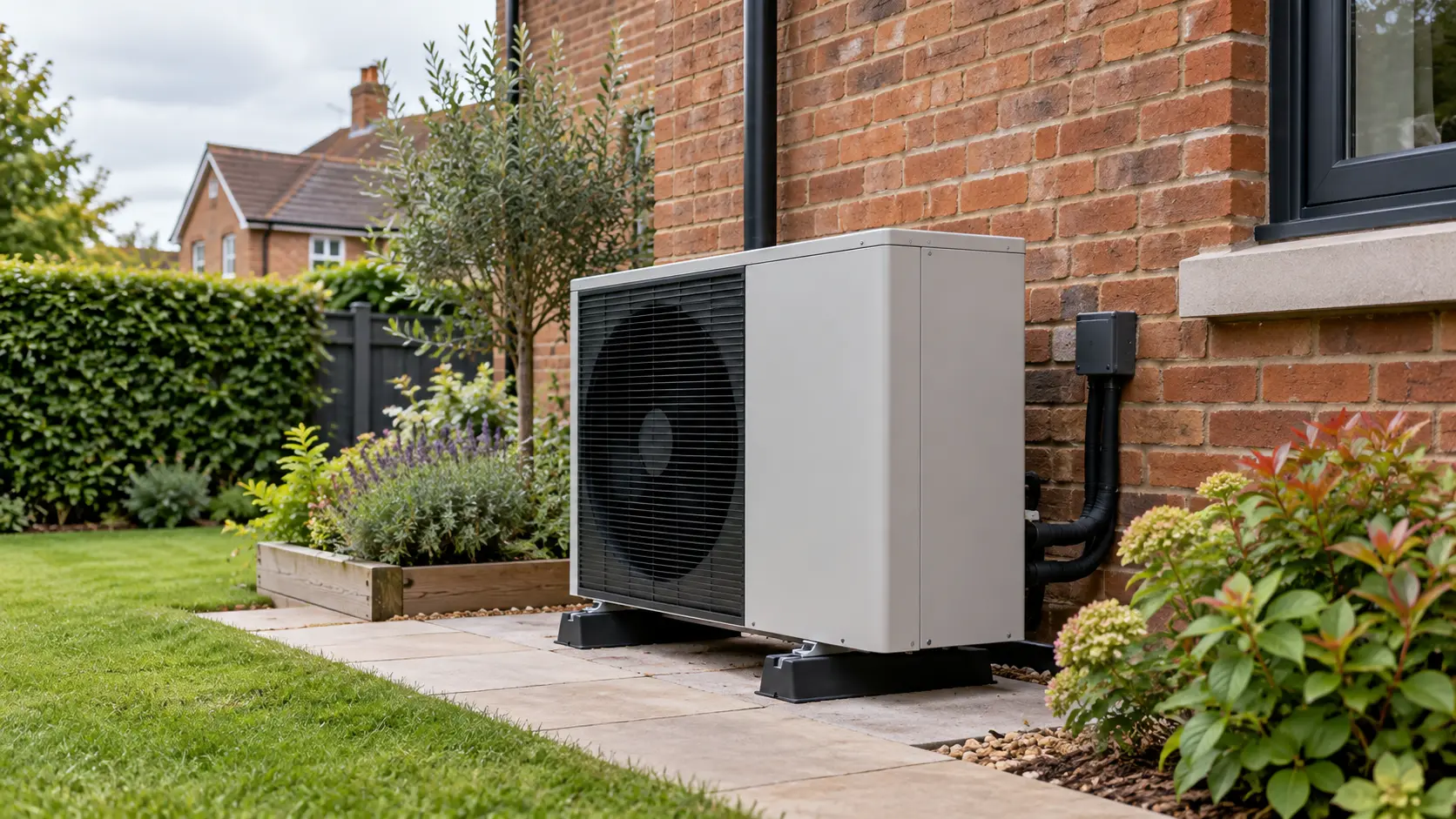
A gas boiler burns fuel to heat water to a high temperature quickly. An air source heat pump extracts heat from outside air and upgrades it using electricity. It works most efficiently when producing lower water temperatures and running steadily for longer periods.
That’s the key difference. A heat pump keeps the house evenly warm rather than blasting heat on and off, and the system needs to be designed around that.
What makes a home suitable
| Factor | Why it matters | What helps |
| Insulation | Lower heat loss means lower water temperatures work | Loft and cavity wall insulation, draught-proofing |
| Radiators | Lower flow temperatures need larger heat emitters | Upsizing some radiators, or underfloor heating |
| Hot water | Heat pumps heat stored water, not on demand | Space for a cylinder, often in an airing cupboard |
| Outdoor space | The unit needs airflow and suitable placement | Side or rear wall, garden or flat roof |
| Electrical supply | The unit needs a suitable supply | Checked during the survey |
Can a heat pump work with existing radiators?
Often, yes, but not always all of them. A heat loss survey works out how much heat each room needs, then compares that with what each radiator can deliver at heat pump temperatures. Rooms that fall short usually need a larger radiator. It’s common for some to stay and some to be upsized.
Running costs: what to expect
Running costs depend on how efficiently the system is designed and installed, your electricity tariff and how the home is heated. A well-designed system on a suitable tariff can compare well with gas. A poorly designed one, with water temperatures set too high, can cost more to run.
Anyone quoting precise savings without surveying your home and asking about your tariff is guessing.
Grants and funding
In England and Wales, the government’s Boiler Upgrade Scheme has offered a grant towards replacing a fossil fuel boiler with a heat pump, claimed through an approved installer. Eligibility rules and grant amounts can change, so check the current details on the GOV.UK Boiler Upgrade Scheme page before planning around it.
When it might be better to wait
A heat pump may not be the right move yet if:
- Your gas boiler is fairly new and working well
- The home needs insulation work first
- There’s no practical space for a cylinder or outdoor unit
- Budget won’t stretch to the radiator and cylinder work needed
In those cases, improving insulation and heating controls now, and planning the switch for when the boiler needs replacing, is a sensible route. In the meantime, keep the existing boiler maintained with an annual service.
Heat pumps in Surrey homes
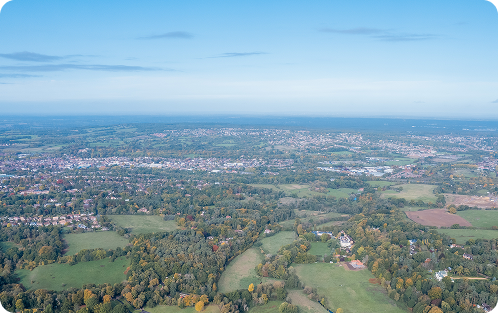
Housing around Guildford, Woking, Farnham and Camberley ranges from older period homes to modern estates. Newer, well-insulated homes are often straightforward candidates. Older solid-wall properties can still work, but usually need more careful design and sometimes upgrades to insulation and radiators first. Planning rules, conservation areas and listed status can also affect where the outdoor unit goes, so check early if that applies.
Frequently asked questions
Do heat pumps work in cold weather?
Yes. Air source heat pumps are designed to work in UK winters. Efficiency falls as it gets colder, which is why correct sizing and design based on a heat loss calculation matter.
Do I need planning permission for a heat pump?
Many domestic air source heat pumps are permitted development in England, subject to conditions such as size and distance from the boundary. Listed buildings and conservation areas may need permission. Check with your local council.
Can I keep my gas boiler as a backup?
Hybrid systems combine a heat pump with a boiler. They can suit some homes, but grant eligibility may differ. Your installer can explain whether a hybrid makes sense.
How long does installation take?
Often several days, depending on the amount of pipework, radiator and cylinder work involved. A full survey should give you a clear timescale.
Find out if your home is suitable
Curious whether a heat pump could work for your home? Give us a call on 07557 373 042 or send us a message and we’ll talk it through with you.