Keeping your central heating system in good condition is essential – especially in Surrey, where efficient heating is key during colder months. One of the most effective ways to maintain your system is through Powerflushing – but how often should it actually be done?
In this guide, we’ll break down the recommended frequency, warning signs to watch for, and how to keep your heating system running efficiently for years.
What Is Powerflushing?
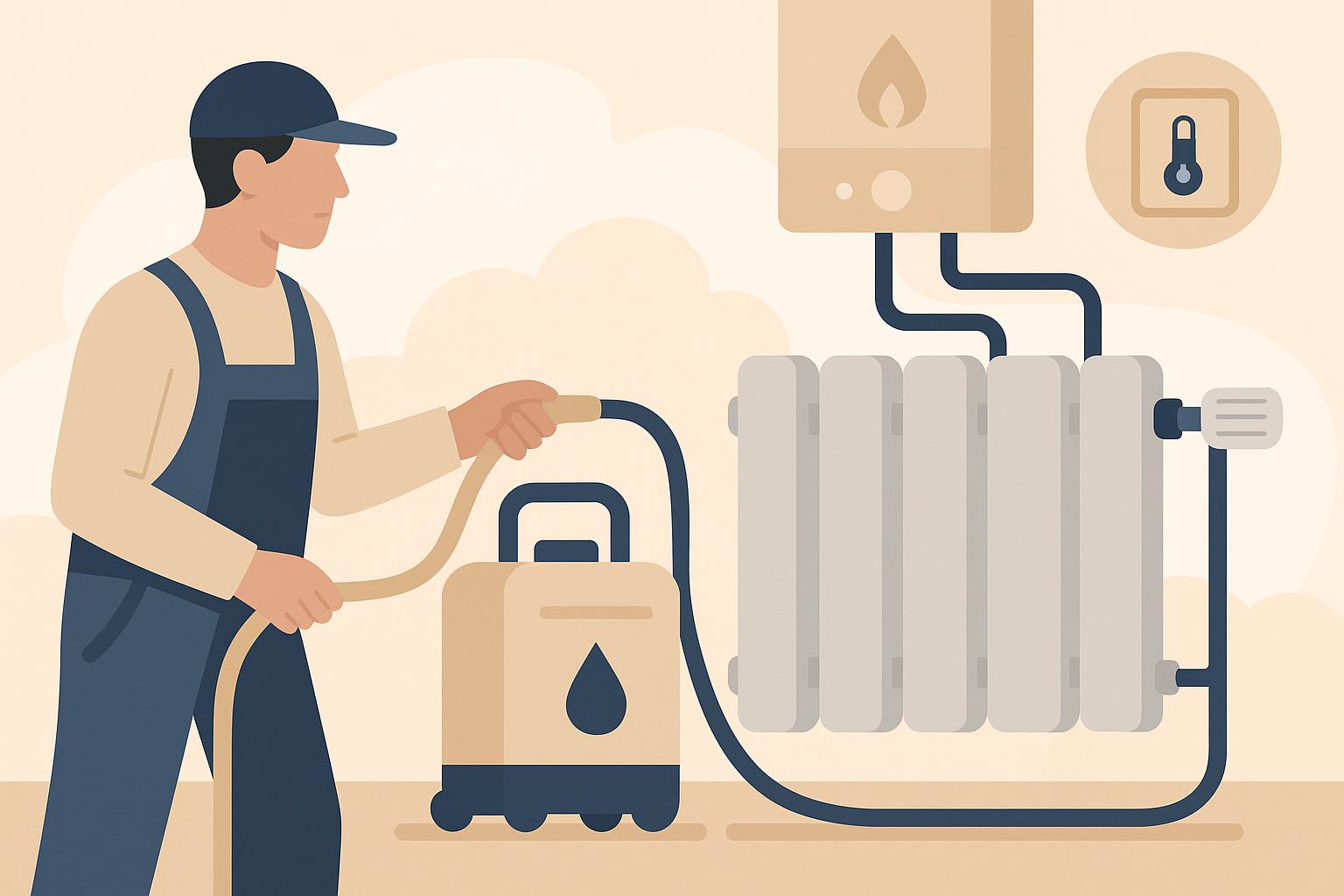
Powerflushing is a deep-cleaning process for your central heating system. A professional engineer uses a specialised machine to pump water and cleaning chemicals through your pipes and radiators at high speed.
This removes sludge, rust, and debris that build up over time and restrict water flow. Without cleaning, this buildup can reduce efficiency and cause long-term damage to your boiler.
How Often Should You Powerflush Your Heating System?
In most cases, homeowners should powerflush their heating system every 5 to 10 years. However, the exact timing depends on several factors.
Age of Your Property
Older homes often have ageing pipework and radiators, which are more prone to corrosion and sludge buildup. These systems may require more frequent powerflushing.
Boiler Installation
If you are installing a new boiler, a powerflush is highly recommended. This prevents existing sludge from damaging the new system and helps maintain manufacturer warranties.
Water Quality in Surrey
Hard water can accelerate limescale buildup inside your heating system. This can reduce efficiency and increase the need for maintenance.
System Maintenance
If your system has been regularly serviced and treated with inhibitor chemicals, you may be able to extend the time between powerflushes.
Signs Your Heating System Needs Powerflushing
Even if it hasn’t been 5–10 years, there are clear warning signs that indicate your system may need cleaning sooner.
Cold Spots on Radiators
If your radiators are warm at the top but cold at the bottom, sludge is likely blocking proper heat distribution.
Noisy Boiler or Pipes
Banging or kettling sounds can indicate restricted water flow caused by debris in the system.
Slow Heating
If your home takes longer than usual to heat up, your system may not be circulating water efficiently.
Dirty Radiator Water
When bleeding your radiators, black or brown water is a strong sign of sludge buildup.
Rising Energy Bills
An inefficient system requires more energy to heat your home, leading to higher monthly costs.
Read more about the signs your central heating needs a powerflush
Can You Powerflush Too Often?
Yes – powerflushing too frequently is unnecessary and can sometimes put strain on older systems. It should be used as a deep-cleaning solution rather than routine maintenance.
Instead, focus on preventative care such as adding inhibitor chemicals, installing magnetic filters, and scheduling annual servicing.
Benefits of Powerflushing Your Heating System
Improved Heating Efficiency
Radiators heat up faster and more evenly, improving comfort throughout your home.
Lower Energy Bills
A clean system operates more efficiently, reducing energy consumption and costs.
Extended Boiler Lifespan
Removing sludge reduces strain on your boiler, helping it last longer.
Fewer Breakdowns
Clean systems are less likely to suffer from blockages or component failures.
What Happens If You Don’t Powerflush?
Ignoring sludge buildup can lead to serious problems over time, including blocked radiators, poor heat output, and boiler damage.
In some cases, neglecting maintenance can result in costly repairs or even the need for a full system replacement.
How to Maintain Your Heating System After a Powerflush
After a powerflush, you can keep your system in good condition by taking a few simple steps:
- Add inhibitor chemicals to prevent corrosion
- Install a magnetic filter to capture debris
- Schedule annual boiler servicing
- Bleed radiators regularly
Conclusion: When Should You Powerflush?
For most homes in Surrey, powerflushing every 5 to 10 years is a good guideline. However, your system’s condition and performance are more important than timing alone.
If you notice cold spots, strange noises, or rising energy bills, it may be time to act sooner. Regular maintenance combined with occasional powerflushing will help keep your heating system efficient, reliable, and cost-effective.
Ready to schedule your powerflush? Contact our friendly team today.